Add Row
Add Element
cropper
update

[Company Name]

update
Add Element
  • Home
  • Categories
    • Consultants
    • Attorneys & Legal
    • CPAs & Accountants
    • Financial Professionals
    • Marketing
    • Business
    • App Marketing
    • Comparison Zone
    • Checklist Hub
    • Monthly Highlights
    • Industry Trends
    • Reputation
    • Social Media
    • Funnel Automation
    • Paid Traffic | Performance Marketing
    • Book Review
October 26.2025
3 Minutes Read

Why 25 Years of Google Ads is a Game Changer for Small Businesses

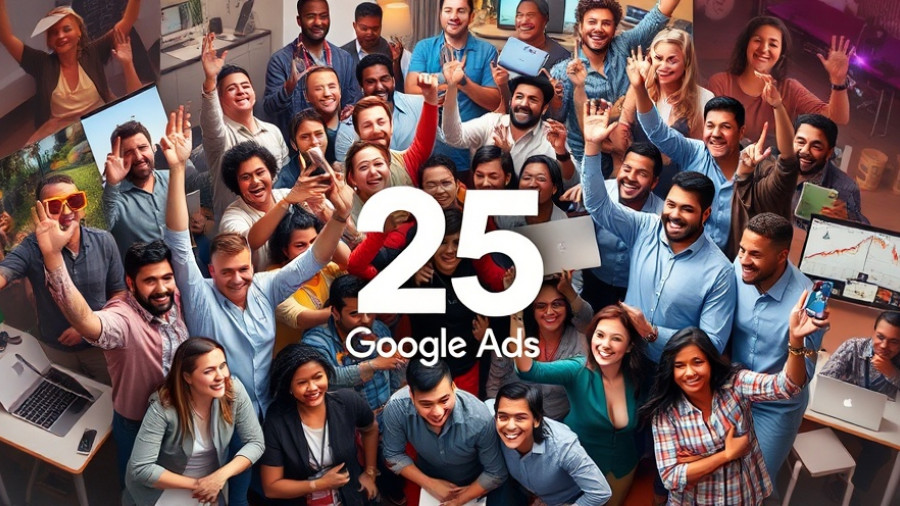
Celebrating 25 years of Google Ads with diverse entrepreneurs and professionals.

Google Ads: A Quarter Century of Transformation

As we celebrate 25 years of Google Ads, it is essential to recognize the incredible journey that has bridged businesses and consumers in a digital landscape that has changed irrevocably. Since its inception, Google Ads has been at the forefront of innovation, helping businesses of all sizes—from local shops to multinational corporations—utilize digital advertising as a powerful growth tool.

The Evolution of Advertising

Twenty-five years ago, Google Ads set out with a bold vision: to harness the internet's potential to achieve unprecedented advertising reach and efficacy. The early days were defined by keyword-based search ads, which transformed how businesses approached customer engagement. Over the years, the platform has evolved and expanded significantly, embracing mobile and video, launching notable features like Google Analytics, and now incorporating the cutting-edge capabilities of generative AI.

This evolution is not just about improving technology; it’s about understanding user behavior. The effectiveness of ads hinges on relevance, and Google Ads teams have continuously sought to deliver that. By prioritizing user needs, the company has managed to keep its advertisers in sync with emerging trends, ensuring that their marketing strategies remain effective in a fast-paced digital space.

Generative AI: The Future of Digital Marketing

As we stand at the forefront of another significant shift in marketing with the growing integration of generative AI, Google Ads is committed to leading the charge. Businesses now have access to tools that automate campaign management and optimize reach and engagement effortlessly. AI-driven insights enable advertisers to create tailored and significant experiences for their audience—making advertisements more responsive to consumer inquiries and challenges. This not only enhances creativity but also helps connect brands with new audiences worldwide.

Why This Matters for Small Businesses

For small businesses, Google Ads represents a unique opportunity to compete on a larger scale. The strategies and tools that have been developed can level the playing field in favor of smaller enterprises that traditionally lacked the resources to mount comprehensive marketing campaigns. With AI's assistance, businesses can autonomously adjust their strategies based on real-time data, ensuring that their advertising dollars are spent efficiently and effectively.

Success Stories: The Heart of Google Ads

The success of enterprises utilizing Google Ads spans many industries and regions. From mom-and-pop stores discovering new customers in their neighborhood to startups that have scaled to new heights, the platform's power to drive measurable outcomes is undeniable. Advertisers often share how Google Ads has transformed their outreach efforts, emphasizing that it has allowed them to focus on what they do best while improving their marketing efficiency.

Looking Ahead: The Next 25 Years

As we look forward, the digital marketing landscape is poised for further transformation. With continued advancements in AI and machine learning, we can expect Google Ads to become even smarter, delivering personalized advertisements that resonate more deeply with users. Businesses will need to stay agile and open to adopting these tools that promise not only to enhance their marketing strategies but also to create lasting customer relationships. The drive toward better understanding and anticipating consumer needs will define the future of advertising.

Your Role in This Journey

The journey of Google Ads is also a journey for every business that chooses to leverage its capabilities. As they embark on their digital marketing adventures, small businesses must capitalize on the rich insights and tools available to them. Staying informed and adaptive to changes in technology is essential for maintaining relevance in a fast-evolving marketplace. The success stories we celebrate today are, behind the scenes, fueled by the willingness to learn, innovate, and engage with customers meaningfully.

With the advent of new tools and features on the horizon, small businesses are urged to dive deeper into what Google Ads can offer. Understanding how to utilize these features can help propel their growth, making the next 25 years just as remarkable as the last.

Marketing

38 Views

0 Comments

Write A Comment

*
*
Related Posts All Posts
12.05.2025

Understanding Ragebait Marketing: Is It Worth the Risk for Small Businesses?

Update Why Ragebait Ads Are Becoming a Marketing Trend The landscape of advertising is undergoing a radical transformation, with brands increasingly leveraging the power of outrage and anger to capture consumer attention. As highlighted in a recent Washington Post article, some companies intentionally provoke negative emotions, knowing that rage can translate into heightened engagement. This ‘ragebaiting’ strategy—where marketers stoke public outrage for short-term gains—has become more prevalent in an age dominated by social media and quick online interactions. The Psychology Behind Ragebait Marketing Understanding the allure of ragebaiting requires a grasp of the underlying psychology. Studies suggest that negative emotions trigger immediate reactions, allowing brands to gain rapid engagement; outrage-driven content reportedly generates 312% more comments and 187% more shares compared to neutral promotional messages. But while this may initiate a surge in visibility, it frequently comes at the expense of long-term brand perception. A staggering 73% of consumers indicate they associate low trust with brands that adopt incendiary marketing tactics, emphasizing the sheer risk at play. Examples of Ragebait Marketing Some high-profile campaigns exemplify the trend towards ragebaiting. Brands like The Ordinary, American Eagle, and e.l.f. Cosmetics have all faced backlash for campaigns deemed controversial or tasteless. The Sydney Sweeney campaign by American Eagle, for instance, ruffled feathers with its implications about genetics, showcasing how even mundane topics can become lightning rods for outrage. The controversial nature of these campaigns raises the question: can brands sustain engagement generated through outrage, or do they ultimately sacrifice consumer trust? Marketing experts suggest that the metrics of success must evolve beyond mere engagement, capturing the nuances of audience sentiment. The Trade-offs of Engaging in Ragebaiting While short-term metrics like increased clicks and shares may paint a rosy picture, the long-term implications can be dire. Experts corroborate that many brands risk losing customer loyalty and trust by embracing a culture of controversy. As highlighted by marketing consultant Lia Haberman, this could prove damaging: “The short-term bump in attention is not really worth the trade-off of damaging brand equity.” Brands must navigate the delicate balance of capturing attention while avoiding reputational harm. Audience Reaction and Future Predictions The ongoing trend raises significant questions about how audiences will respond over time. Consumer fatigue may lead to audiences actively unfollowing brands that perpetuate a cycle of outrage. Marketing professionals are now challenged to prioritize mental health and ethical considerations in their strategies, steering clear of incendiary techniques that provoke anxiety or resentment. As platforms continue to evolve, it seems likely that the prevalence of outrage marketing tactics will decline, propelled by algorithm changes that favor content promoting positive interactions over negative engagement. Many industry experts predict that as consumers demand more responsible marketing, the shift toward sustainable engagement practices will take precedence. Ethical Alternatives to Ragebaiting In the quest for effective marketing, brands should consider ethical alternatives to the short-lived thrill of outrage. Strategy implementations that foster genuine connections, such as educational content and community-building initiatives, can lead to long-term loyalty and trust without the repercussions of controversy. Engaging content that highlights problem-solving or aspirational values is more likely to resonate with audiences and yield improved brand perception, counterbalancing the temporary surge from rage-based tactics. Final Thoughts: The Future of Marketing in an Outrage Economy The advertising realm stands at a crossroads, as the conversation around ragebaiting gains momentum. For small businesses, understanding the implications of such marketing strategies is fundamental. While the allure of immediate attention is compelling, brands must weigh the potential backlash against long-term trust and loyalty. The marketing landscape is likely to place increasing value on ethical engagement practices that build authentic relationships, rather than simply provoking anger for clickbait and exposure. Through this evolution, small businesses can cultivate resilience in their marketing strategies by prioritizing customer values and needs—ultimately ensuring sustained success in an era where engagement strategies must adapt to rising consumer awareness and preference for positivity over provocation.

12.03.2025

Understanding the Parent-Child Loyalty Loop: Multicultural Marketing's Potential

Update Unpacking the Parent-Child Loyalty Loop in Multicultural Marketing In recent years, the dynamic between brands and consumers has evolved significantly, particularly when viewed through the lens of cultural identity. The concept of the parent-child loyalty loop, as highlighted in insightful discourse on multicultural marketing, underscores how inherited traditions are pivotal in shaping consumer behavior. Notably, ads like those by Instacart have moved beyond mere product promotion to encapsulate vital cultural rituals that connect consumers deeply with the brands they choose. This evolution calls for small businesses to rethink their marketing strategies and embrace a culturally sensitive approach. Why Multicultural Marketing is a Growth Catalyst As Tony Gonzalez illustrates in his analyses, multicultural marketing is not merely an option for brands—it's a necessity. The data illustrates that approximately 42% of the U.S. population identifies as multicultural. With such a substantial demographic, brands that leverage multicultural insights can tap into immense buying power, reaching billions in potential revenue. For small businesses, understanding and engaging with these diverse populations can foster brand loyalty, lead to increased sales, and develop deeper community connections. Cultivating Authenticity Through Cultural Engagement Successful multicultural marketing hinges on authenticity. Brands must strive to create genuine connections with their audiences by celebrating their identities. For instance, Coca-Cola’s “Hispanic Spark” campaign utilized authentic stories and partnerships with Hispanic influencers to harness cultural pride. This led to measurable sales growth and demonstrated the power of cultural relevance. Moreover, Disney+ turned a new release, Mufasa: The Lion King, into a cultural event through Spanish-language trailers and influencer parties, significantly boosting subscriptions among Hispanic households. Such strategies not only drive immediate revenue but cultivate long-lasting loyalty among communities. Learning from Real-World Examples Duolingo’s February 2025 campaign exemplified effectively leveraging cultural ties to engage audiences. The “mascot death” campaign, which humorously addressed cultural nuances, showcased how brands can innovate in their marketing while remaining sensitive to diverse backgrounds. As a result, Duolingo saw a dramatic increase in engagement and retention rates, proving that effective multicultural marketing resonates far beyond direct sales. The Road Ahead: Innovating Through Inclusion As we look ahead, it's clear that brands that consistently embrace multicultural marketing will not only drive growth but also foster inclusive communities. Small businesses have an opportunity to build bridges with multicultural audiences, forging trust and loyalty through ongoing engagement. By listening actively and crafting campaigns that reflect authentic community narratives, they can elevate their market presence and spark innovation in their offerings. Embracing the Shift: Steps for Small Businesses Understanding the nuances in cultural identities requires a concerted effort. Small business entrepreneurs should consider the following actionable strategies: Research Your Audience: Conduct in-depth insights on the communities you want to target, recognizing their preferences and cultural ties. Leverage Local Influencers: Collaborate with community leaders and influencers who resonate with the target demographic. Share Authentic Stories: Create marketing campaigns that reflect genuine cultural narratives and traditions. By embedding cultural sensitivity into their DNA, small businesses can create the lasting impact needed to thrive in today’s competitive market. In conclusion, the convergence of multicultural insights and brand loyalty presents an exciting opportunity for local businesses. The parental influence on purchasing decisions signals a crucial avenue for effective marketing strategies. As brands embark on this journey, they should prioritize authenticity and connection to stay relevant and responsive to generational shifts in consumer behavior.

11.29.2025

How Portside Marketing Elevates SEO Through Meta Ads Management Integration

Update Portside Marketing Innovates with SEO and Meta Ads IntegrationIn today's digital landscape, the convergence between search engine optimization (SEO) and social media advertising is not just a trend; it's an essential strategy for small businesses looking to thrive. Recently, Portside Marketing announced an expansion of its services to include Meta ads management, recognizing a pivotal shift in consumer behavior that combines the realms of search and social discovery.Understanding the Shift: Search Meets SocialTraditional marketing silos are eroding as audiences shift their research and discovery processes online. A recent study pointed out that consumers are increasingly engaging with brands through various channels, blending search results with social media feeds. This multi-channel approach is where Meta ads come into play—unlocking precise targeting opportunities informed by both organic search insights and paid advertising strategies.Lisa Parziale, a co-founder of Portside Marketing, emphasized, "Search behavior no longer begins and ends with a single platform. Our clients demanded a cohesive approach to visibility across these environments, integrating organic search tactics with paid social efforts. This adaptability will be crucial as we face increased competition and algorithm changes in the digital landscape."Benefits of Integrating Meta Ads with SEOThe incorporation of Meta ads aims to provide considerable benefits:Unified Messaging: By aligning ad campaigns with search performance data, businesses can ensure consistent messaging across platforms.Enhanced Targeting: Insights gained from SEO research on user intent can refine the audience targeting strategies, leading to more relevant ads and higher engagement rates.Cost Control: As competition grows in digital advertising, utilizing SEO insights helps prioritize keyword targeting that reflects organic behavior, thus stabilizing costs per click.Adaptation to Automation: The Role of AIAs Meta Ads 2025 moves towards greater automation with its Advantage+ framework, the demand for businesses to adapt is crucial. This AI-driven tool optimizes campaign settings—leveraging data to improve targeting and creative elements without necessitating extensive manual adjustments. With social platforms employing standard features such as keyword indexing and relevance scoring, businesses must harness these tools to maximize visibility.As noted in a SalesHive best practices guide, effective metadata is integral for enhancing click-through rates (CTR) and shaping how users perceive content in the search results. This meta-related strategy emphasizes that optimizing not just for search but across platforms is more important than ever, aligning perfectly with Portside's new direction.Future Trends: Navigating the Evolving LandscapeExperts predict that the integration of SEO and social media advertising will continue to evolve, influenced heavily by shifts in user behavior and technological advancements. With a more significant reliance on AI and machine learning algorithms to guide marketing strategies, the line between SEO and Meta ads will blur further, allowing for richer user experiences and improved engagement metrics.While the future is promising, small businesses should not overlook the importance of thorough testing and adaptation. Regular audits of campaign effectiveness, alongside the incorporation of feedback loops from both SEO and social campaigns, will be critical for sustained success.Empower Your Brand Through Integrated StrategiesFor small businesses, the integration of Meta ads management into existing SEO frameworks signifies a step toward a more cohesive and efficient marketing strategy. By unifying these efforts, businesses can not only reach but also resonate with their target audience.If you're a small business looking to stay ahead in this changing environment, consider how you can leverage these strategies to enhance your visibility and engagement across digital platforms.Final ThoughtsPortside Marketing's decision to merge SEO with Meta ad management reflects a growing trend that all businesses, especially small ones, should consider. Embracing an integrated approach could very well mean the difference between standing out and getting lost in today’s crowded digital marketplace.

Terms of Service

Privacy Policy

Core Modal Title

Sorry, no results found

You Might Find These Articles Interesting

T
Please Check Your Email
We Will Be Following Up Shortly
*
*
*