Add Row
Add Element
cropper
update

[Company Name]

update
Add Element
  • Home
  • Categories
    • Consultants
    • Attorneys & Legal
    • CPAs & Accountants
    • Financial Professionals
    • Marketing
    • Business
    • App Marketing
    • Comparison Zone
    • Checklist Hub
    • Monthly Highlights
    • Industry Trends
    • Reputation
    • Social Media
    • Funnel Automation
    • Paid Traffic | Performance Marketing
    • Book Review
March 20.2025
3 Minutes Read

Discover How Justin Tucker's Reputation Strategy Impacts Athletes

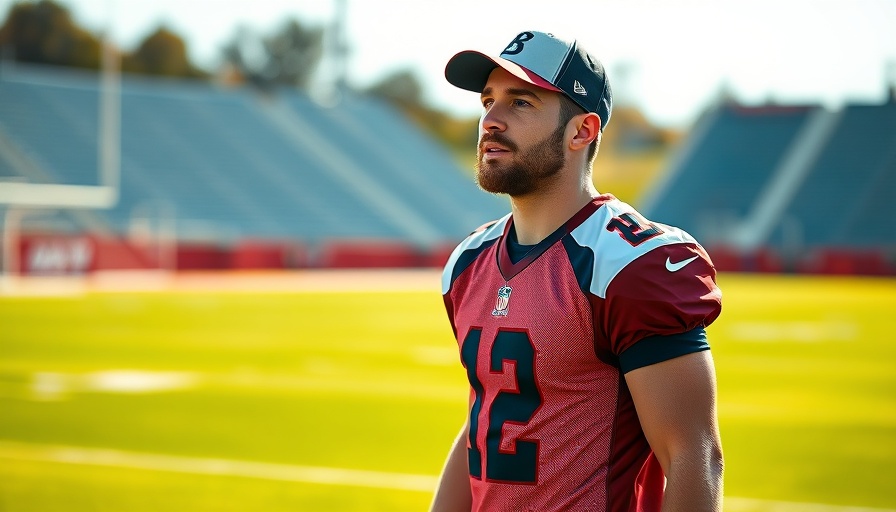
Focused athlete on a field, related to high-profile reputational attacks.

When Reputation Is on the Line: Justin Tucker Takes Action

In an era where a single misstep can weigh heavily on an individual's reputation, especially in the spotlight of the NFL, it’s no wonder that Justin Tucker, the Baltimore Ravens’ star kicker, has decided to take proactive measures. Recognizing the growing trend of high-profile reputational attacks, Tucker has engaged a law firm specializing in defending individuals facing such challenges. This move highlights not only a personal commitment to protecting his image but also underscores the importance of reputation, particularly for athletes.

The Increasing Threat of Reputational Attacks

Reputational attacks are becoming alarmingly common in today’s digital age. With social media being a potent tool for both positive and negative expressions, public figures are often at the mercy of public opinion shaped by rumors and misinformation. Tucker's decision to hire legal support isn’t just about defending himself; it’s about setting a precedent for how public figures should strategically handle their brand and reputation.

Understanding Reputation Management

So, what does engaging a law firm for reputation management entail? Essentially, it involves crafting a strategy to mitigate damages caused by negative publicity. Legal experts help in managing information released about a person or organization, allowing them to respond effectively to damaging claims while maintaining their integrity. This defense is crucial for maintaining trust and credibility, especially for athletes who rely heavily on their public image for endorsements and career longevity.

A Trend Among High-Profile Athletes

Tucker is not alone; many athletes are increasingly vigilant about their reputations. High-profile figures from various sports, including football and basketball, have begun to recognize the value in legal advice when faced with potential reputational challenges. This trend signifies a shift in how athletes perceive their personal brands—they are seen less as mere players and more as multifaceted individuals whose lives are scrutinized by the public.

What This Means for the Average Person

While Tucker’s situation centers around a prominent athlete, the implications of hiring legal support for reputation management extend to everyone. In a world where many people are one tweet or Facebook post away from public scrutiny, understanding legal rights and having guidance can be invaluable. Every individual, particularly local business owners and community members, can learn from this approach by prioritizing their own reputations in both their personal and professional lives.

Why It Matters to the Community

The significance of maintaining a good reputation goes beyond the individual; it affects the entire community. When local figures, like athletes or business owners, uphold their reputation, they contribute to the overall well-being of their community. This not only fosters pride within the community but also encourages businesses to thrive, creating a ripple effect of positive growth.

Steps to Protect Your Own Reputation

For readers inspired by Tucker's approach, consider the following actionable steps:

  • Stay Informed: Understanding the potential risks and the legal landscape surrounding your reputation is essential.
  • Seek Professional Advice: Consulting with a legal expert specialized in reputation management can help you navigate your specific situation.
  • Monitor Your Online Presence: Regularly check what is being said about you online and address any false information promptly.

As we conclude, it becomes clear that Justin Tucker’s preemptive action is a wake-up call about the need for vigilance in a world where public perception can change instantly. While some may see it as a luxury reserved for the wealthy, all individuals can benefit from taking steps to safeguard their reputations. After all, in the game of life and career, reputation often becomes a player’s most valuable asset.

Reputation

75 Views

0 Comments

Write A Comment

*
*
Related Posts All Posts
12.16.2025

2026 Outlook for PR: RMAP Explores Reputation Management Trends

Update In 2026, Reputation Becomes a Strategic AssetThe Reputation Management Association of the Philippines (RMAP) has recently unveiled its 2026 outlook, signaling a transformative shift in how organizations view reputation management. Gone are the days of regarding reputation as a mere intangible asset. Companies are now beginning to approach reputation as a quantifiable entity that can significantly impact financial performance. By utilizing frameworks like reputation scorecards and predictive analytics, corporations are positioning their reputations as strategic capital, demanding real-time data on trust, credibility, and risk exposure.Adapting to AI-Curated CommunicationAs the media landscape evolves, stakeholders—shaped by algorithms—require innovative communication strategies. The rise of personalized, AI-curated feeds leads to what RMAP refers to as “accidental exposure” to information. This landscape necessitates that brands craft adaptable and context-aware messages. By creating narratives that can withstand potential fragmentation and algorithmic amplification, organizations not only engage consumers but also build a resilient brand identity.The Role of Agentic AI in PRThe upcoming year marks a pivotal transition towards agentic AI in public relations, moving beyond its traditional role as a content generator. RMAP advocates for utilizing autonomous AI tools to monitor risks, draft responses, and manage workflows effectively, thereby freeing PR teams from manual tasks. This shift allows for higher speed and accuracy in gathering intelligence, pinpointing issues, and planning for various scenarios. With robust AI collaboration, organizations can better address emerging reputational threats.Crisis Communication: Time is of the EssenceAs reputational threats proliferate, organizations now face shorter outrage cycles, where issues escalate seemingly overnight. The new standard for crisis communication is a 15-minute response window, prompting RMAP to recommend pre-planned and rehearsed crisis management strategies. Institutions should invest in command structures and simulation exercises to keep pace with the accelerated speed at which information spreads.From Authenticity to Verifiable IntegrityModern consumers demand not just authenticity from brands but verifiable integrity. In a world heavy with synthetic content and manipulated media, organizations must prove their claims through data-backed communication and independent audits. By embracing transparency and validating their social impact, brands can position themselves as trustworthy entities in a noisy digital landscape.The Shift to Consequence-Based Sustainability CommunicationThe expectations surrounding sustainability are evolving towards consequence-based storytelling. Instead of generic ESG narratives, stakeholders demand illustrated outcomes—how corporate actions tangibly lessen harm, deliver social value, and foster resilience. RMAP underscores the urgent requirement for organizations to ground their sustainability communications in accountable performance metrics.Engaging Microtribes: A New Communication ApproachRMAP highlights the importance of recognizing diversidad among audiences, transitioning from mass communication to engaging with distinct micro-communities. This approach demands deep cultural fluency and community intelligence, allowing brands to tailor their communications to resonate with smaller, more powerful audience segments.Strengthening Employee Reputation ManagementIn 2026, employees will increasingly influence public perception. Their digital presence and behavior are vital components of a company’s reputation. RMAP suggests organizations ramp up efforts towards leadership communication and internal engagement initiatives to empower their workforce as vital reputation drivers.Regional Opportunities for Philippine PR ProfessionalsAs demand for sophisticated, crisis-ready communication increases across the ASEAN markets, Filipino practitioners are gaining recognition for their reputation management expertise. RMAP anticipates more local agencies expanding into Southeast Asian markets, marking a significant shift in the Philippines’ adaptability to a global context.The Role of Thought LeadershipAmid the AI-generated noise, the value of genuine thought leadership is rising. RMAP believes that brands will need to invest in expert insights and research to distinguish themselves in a saturated marketplace. By prioritizing transparency and credibility, organizations can harness the power of thought leadership to engage effectively.Conclusion: A New PR Era AwaitsAs we prepare for 2026, public relations is entering a realm defined by speed, integrity, and regional significance. According to RMAP President Dr. Ron Jabal, institutions that proactively adapt and invest in intelligent communication strategies will thrive. This year marks a crucial transition for brands, emphasizing the necessity of clear, responsible communication to build and maintain trust.To ensure your brand’s voice stands out in a crowded space, consider taking action today. Discover how your organization can express authentic narratives that resonate and connect. Are you ready to elevate your brand voice? Get Your Brand Voice Interview

12.14.2025

What Smriti Mandhana's Heartbreak Teaches About Gender and Empowerment

Update The Heartbreak Behind the Headlines: Understanding Smriti Mandhana’s Experience When Smriti Mandhana, India’s star cricketer, announced the abrupt postponement of her wedding, a shockwave rippled through the nation. The public interest was not merely in the cancellation of a high-profile event, but the revelations it unveiled about cultural expectations, gender, and the personal struggles many women face in society. Mandhana’s story is not just about heartbreak; it’s a reflection of a broader cultural context that pressures women while often shielding men from accountability. What Happens When a Woman's Voice is Silenced? As highlighted in Milan Vohra’s book *Heartbreak Unfiltered*, women like Mandhana often find themselves thrust into emotional turmoil. The narrative surrounding a breakup or relationship failure typically revolves around the impact on the man’s reputation. Families mobilize to protect their sons, portraying women as collateral damage in the battle for male honor. This recurrent cultural theme begs the question: why is a woman's heartbreak often sidelined in the discourse? Mandhana’s situation demonstrates the unfortunate dynamics of blame and shame primarily directed toward women. A Closer Look at Cultural Machinery: How Society Shapes Narratives In Indian culture, where societal perceptions often govern personal decisions, Mandhana's experience resonates with many young women. As she faced intense scrutiny and speculation about her relationship, the underlying message was clear: women are expected to prioritize family and social expectations over personal happiness. The 'ladla beta' (favored son) defense system activates to protect male reputations, often at the woman’s expense. This dynamic is indicative not only of Mandhana’s story but also serves as a lens through which the broader societal mores can be understood. Breaking Free from the Chains of Reputation Management Mandhana broke the cycle. Her decision to postpone the wedding was not just an act of prioritizing her father's health; it was a subtle rebellion against the notion that a woman's life must be dictated by timelines and societal pressures. According to Mandhana's spokesperson, the decision was clear-cut. There was no room for miscommunication or rumors—just a woman choosing family over the chaotic expectations of public life. The Silver Lining: Empowerment Through Personal Choices Mandhana’s experience has sparked conversations about women’s empowerment in India. As stated in another report, her actions echo the need for women to reclaim the narrative of their lives. It sends a powerful message to young girls and women: choosing oneself is not selfish but a crucial aspect of self-respect. When faced with societal norms that press for conformity, Mandhana’s choice illustrates that it’s possible to recalibrate how women define happiness on their own terms. The Bigger Picture: Challenging Existing Norms In an era where personal happiness is crucial and often overlooked, Mandhana’s story serves as a beacon of change. It challenges the existing norms that dictate women’s roles in both personal and public spaces. Instead of merely absorbing the weight of societal expectations, she exemplifies how to navigate through personal crises with dignity and strength. By stepping away from the spotlight at a moment of personal turmoil, she has illuminated a path for a generation grappling with similar pressures. Conclusion: Time to Rewrite the Narrative As we delve deeper into the implications of Mandhana's decision, it becomes evident that her actions advocate for a necessary shift in societal perception. Women deserve the space to prioritize their happiness, aspirations, and wellbeing without fear of public judgment. Empowering women with choices could transform not only personal anecdotes into universal truths but can also foster communities grounded in understanding and empathy. Remember, the heart of empowerment lies not in silence but in speaking our truth. Get Your Brand Voice Interview and share your story of empowerment today!

12.13.2025

The New Era of Public Relations: Adaptations for Effective Strategy

Update The Evolution of Public Relations: A New Paradigm In a world where digital noise drowns out traditional media, public relations (PR) is undergoing a radical transformation. Cara Milan Harbor, a seasoned PR strategist, is at the forefront of this shift, emphasizing the need for adaptability in a rapidly changing landscape. As technology evolves and media consumption habits shift, the fundamental essence of PR is being redefined, asking professionals to adopt innovative practices that resonate with contemporary audiences. Decoding the Modern Audience Landscape According to Harbor, the most profound change in PR is the way audiences search for information; it’s no longer confined to traditional outlets. Today, a potential client's first impression often surfaces through a simple Google search rather than a formal introduction. This reality compels PR professionals to develop proactive strategies that foster credibility and visibility well before a crisis emerges. As highlighted in recent articles, 76% of PR professionals acknowledge that their roles have evolved significantly due to the rise of AI and changing consumer behaviors, reinforcing the need for strategic adaptation. Strategies for Building Authentic Connections The core of modern PR lies in authentic storytelling. Today's consumers are adept at distinguishing between genuine narratives and bland marketing tactics. Amidst the constant barrage of information, brands must convey their messages in a manner that is both relatable and impactful. For organizations, this means sharing real stories about real people—employees making a difference, customers sharing positive experiences, and narratives that drive home the human interest angle. As evidenced in best practices, companies with authentic voices reap the benefits of deeper, more meaningful relationships with their audiences. Harnessing the Power of AI and Data Analytics AI has become an indispensable ally for PR practitioners, enhancing their ability to craft strategic communications. A staggering 82% of professionals now incorporate AI tools for tasks ranging from media monitoring to content creation, as these technologies streamline operations and provide valuable insights. By utilizing data analytics, PR teams can not only track public sentiment but also identify emerging trends, allowing them to adjust their strategies instantaneously. As technology continues to evolve, those who utilize AI effectively will stand out. The Importance of Transparency and Authenticity Modern consumers, on average, are more informed and expect transparency from brands. 71% indicate that they would dissolve their relationship with a brand perceived as untrustworthy. Establishing trust through candid communication is paramount, especially when addressing mistakes or handling crises. Organizations are called to face challenges head-on with honesty, ensuring their narratives are aligned with their actions. Building consensus around authentic principles fosters the kind of loyalty that is invaluable for long-term success. Embracing New Channels and Diverse Influencers The fragmentation of the media landscape necessitates a diversified approach to communication. As traditional media revenues decline, emerging platforms like podcasts and social media rise in importance. Collaborating with influencers can be vital; statistics show that 89% of marketers will maintain or increase their investment in influencer marketing, recognizing the significant role these figures play in reaching targeted audiences. PR professionals must remain agile, adapting to platforms that maximize engagement potential. Conclusion: The Path Forward for PR Professionals The future of public relations is not just about navigating the complexities of technology—it's about fostering genuine connections that resonate with audiences. As the landscape continues to shift, PR professionals like Cara Milan Harbor remind us that success hinges on not only mastering new tools but also prioritizing authenticity, storytelling, and strategic creativity. Up-and-coming professionals must equip themselves with the skills and mindset necessary for this evolving field. Are you ready to define your brand’s voice? Get your brand voice interview today!

Terms of Service

Privacy Policy

Core Modal Title

Sorry, no results found

You Might Find These Articles Interesting

T
Please Check Your Email
We Will Be Following Up Shortly
*
*
*