Add Row
Add Element
cropper
update

[Company Name]

update
Add Element
  • Home
  • Categories
    • Consultants
    • Attorneys & Legal
    • CPAs & Accountants
    • Financial Professionals
    • Marketing
    • Business
    • App Marketing
    • Comparison Zone
    • Checklist Hub
    • Monthly Highlights
    • Industry Trends
    • Reputation
    • Social Media
    • Funnel Automation
    • Paid Traffic | Performance Marketing
    • Book Review
March 18.2025
3 Minutes Read

Why Social Media Has Become Hostile to Women: The Disturbing Truth

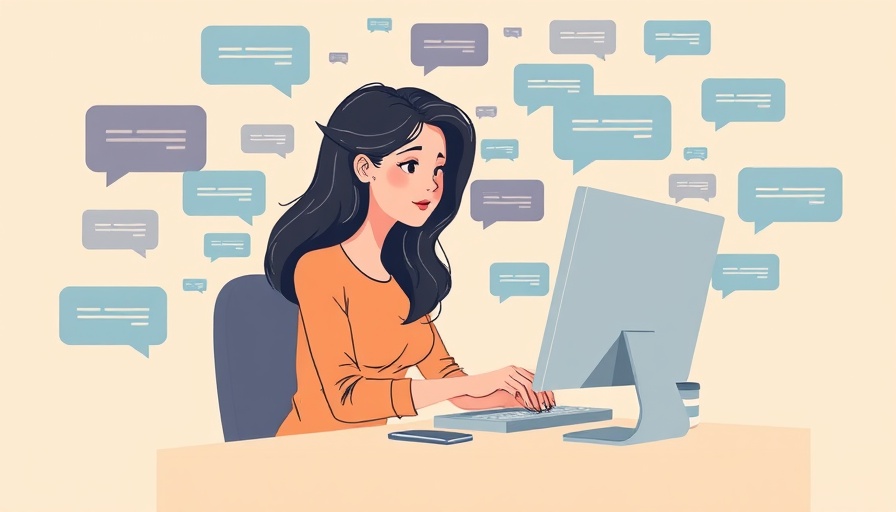
Woman receives multiple notifications on social media, illustrating online hostility.

Understanding the Hostility of Social Media Towards Women

Social media, once hailed as a democratizing force that gave voice to the marginalized, has increasingly become a hostile environment for women and girls. As new research unveils the digital landscape's impact on women's mental health and civic participation, the realities of sexism online are turning urgent. No longer just a topic of academic interest, the consequences of misogyny in these platforms are widely felt by women everywhere.

Data-Driven Insights into Online Harassment

Recent studies indicate that women experience higher rates of online harassment compared to their male counterparts. Reports highlight an alarming reality: women in public-facing roles, particularly journalists, face specific threats of gender-based violence. According to the Media4Women campaign, nearly one in three women journalists consider leaving the profession due to online harassment, leading to a chilling effect that restricts essential information from reaching the public. This data reveals that the struggle for representation in media goes beyond just numbers; it impacts the narratives we hear.

Women’s Experiences in the Digital Realm

The rise of social media has also exacerbated issues surrounding body image among young women. Platforms are heavily saturated with idealized portrayals of femininity, cultivating unrealistic standards that can lead to anxiety and self-esteem issues. The pressures culminate in environments that not only judge physical appearance but actively dehumanize women, often trivializing their experiences. The call for improved content moderation and policies addressing these issues becomes increasingly paramount in today’s digital age.

Confronting the Manosphere and Male Supremacist Ideologies

The toxicity of gender-based harassment is often rooted in male-supremacist ideologies propagated within certain online communities, known colloquially as the 'manosphere.' These groups have exploited platforms to disseminate their anti-feminist views, which intensify the harassment faced by women online. As anti-feminist sentiments spread, young men are increasingly shaped by these narratives, which can distort their understanding of gender dynamics. Educational initiatives addressing digital literacy and consent become essential in combating these harmful ideologies.

Actions to Mitigate the Violence Against Women Online

In light of the considerable risks posed by online harassment, there are actionable steps that stakeholders—from social media companies to educational institutions—must undertake. The EU’s proposed Digital Services Act symbolizes a step towards safer online spaces. Still, it is crucial that this legislation undergoes careful evaluation regarding its effectiveness in protecting women. Social media platforms need to implement stricter policies around content moderation to combat harassment and abuse, echoing vital recommendations from experts and advocacy groups.

Why This Matters: Societal Implications of Online Harassment

The implications of unchecked misogyny online extend far beyond individual experiences. A society that permits gender-based violence on social media allows for the systematic silencing of women’s voices, compromising democratic discourse and civic participation. Women who experience harassment may withdraw from public discussions, leading to underrepresentation and skewed narratives in media. Therefore, fostering an inclusive environment becomes a shared societal responsibility, emphasized through collaborative action from all parties involved.

A Call to Action: Join the Fight for Safer Digital Spaces

Statistical evidence and personal narratives alike paint a grim portrait of the state of social media for women. However, with this knowledge comes the power to provoke change. As individuals, advocates, and communities, we can amplify awareness through grassroots campaigns like Media4Women and support initiatives that strive for gender equality online. Book Your Brand Voice Interview Now! Engage in discussions that matter, and contribute to a safer online environment for all.

Social Media

49 Views

0 Comments

Write A Comment

*
*
Related Posts All Posts
12.12.2025

U.S. Proposes Social Media History Requirement for Tourists: What to Expect

Update U.S. to Examine Social Media for Tourist Entrants The United States is on the verge of implementing a controversial new policy that would require foreign tourists from countries within the visa waiver program to provide detailed social media histories as part of their entry application. This proposal, championed by the Trump administration, is designed to enhance national security by reviewing the online activity of visitors before allowing entry into the U.S. What the New Policy Entails Under the new guidelines proposed by the Department of Homeland Security, tourists from the 42 countries currently enjoying visa-free entry would need to submit five years' worth of social media data, along with emails used over the past decade and details about immediate family members. The measure aims to scrutinize travelers' online behaviors to weed out potential threats, though exactly what constitutes a threat remains ambiguous. The Rationale Behind Increased Scrutiny U.S. Customs and Border Protection (CBP) states that the new requirement aligns with President Trump’s executive orders focusing on terrorism and national security. However, critics argue that the lack of clear definitions regarding what online activities could be considered threatening leads to excessive discretion in interpretation, potentially affecting innocent travelers. Professor Marissa Montes of Loyola Law School notes the broad nature of these directives could lead to judgments based on ideology or even harmless past behaviors, such as casual remarks made on social platforms. Impact on the Visa Waiver Program The visa waiver program offers a streamlined entry process, allowing participants to travel to the U.S. without facing the long waits often associated with traditional visa applications. Visitors currently only need to go through the Electronic System for Travel Authorization (ESTA), paying a fee and filling out an online form. However, these proposed changes could fundamentally alter how the ESTA process operates, potentially moving to a mobile-only platform and making social media disclosures compulsory. Global Reactions to the New Policy International responses to the U.S.'s aim to intensify social media screening have been mixed, with concerns raised by foreign governments regarding invading their citizens' privacy. Many emphasize that the policy risks creating a chilling effect on travel, as prospective visitors may reconsider their journey to the U.S. given the invasive scrutiny. Social Media's Role in Modern Travel In an age where sharing online is ubiquitous, these measures complicate how travelers engage with social media. Experts urge individuals to be cautious about their digital footprints, as interactions online—such as posts, likes, and shares—could unknowingly impact their travel eligibility. Montes notes that fostering awareness of this issue is crucial, advising her clients to manage their online presence carefully. The Bigger Picture: National Security vs. Privacy The proposed changes illustrate a tension between ensuring national security and protecting individual privacy rights. Advocates for transparency and civil liberties view these measures as intrusive and caution against the potential for abuse in interpreting what activities are deemed acceptable. As the public comment period for this proposal continues until February 9, many are left wondering about the future of international travel to the U.S. and how these new regulations will unfold. This pivotal moment not only shapes the landscape of U.S. tourism but also effectively redefines the relationship between citizens and their governments concerning privacy rights. Seek Clarity in Your Rights The implications of these policies extend beyond simple entry requirements; they encompass complex issues around rights, freedoms, and the balance of security. As such, it becomes more vital than ever for individuals to stay informed about their rights and to navigate these changes wisely.

12.11.2025

Navigating Changes: Will Five Years of Social Media History be Required for U.S. Entry?

Update What the New Proposal Means for TravelersThe U.S. Customs and Border Protection (CBP) is considering a significant change to the requirements for international travelers from Visa Waiver Program countries. Visitors may soon be required to share up to five years of social media history, email accounts, and personal family details before entering the United States. This initiative is part of a broader effort to enhance national security and tighten immigration entry procedures.Strengthening National Security through Digital FootprintsThe proposed requirement is designed to align with President Trump’s executive order from January, which called for intensified scrutiny of foreign nationals entering the U.S. By analyzing social media accounts and other digital records, authorities aim to better identify potential security threats. As divided public opinion has shown, this method raises both practical benefits and ethical dilemmas.Comparative Screening: Trump vs. Biden AdministrationsThis focus on social media review isn’t entirely new. Under the Obama administration, the government began implementing similar scrutiny for certain travelers. While it has been extended during President Biden’s leadership, the current proposal suggests a deeper data harvest than previously required. Such measures pose a question: how far should nations go in probing digital engagements to ensure safety while balancing them against personal privacy?The Broad Implications for Global TravelersTravelers eligible under the Electronic System for Travel Authorization (ESTA) hailing from 42 countries, including notable ones like Germany, Australia, and Japan, are particularly affected. Previously, the ESTA process required only basic details like names and email addresses. The new requirements broaden the understanding of who travelers are and what they publicly disclose online, creating a gnawing tension between security and surveillance.Logistics and Practical Preparation for TravelExperts are advising travelers to take proactive measures if these changes come into effect. It’s suggested that individuals review their social media histories, as authorities will likely scrutinize anything from recent tweets to past posts that could be deemed politically sensitive. Travelers should also be cautious about what devices they carry, as digital searches at borders, although regulated, can still occur without warrants.Public Response and Feedback OpportunityThe public has a crucial 60-day window to comment on the proposed changes. Your opinions and insights can shape how these policies are finalized. Engaging with the regulatory process is not only a civic responsibility but also a way to express concerns about the implications of data privacy and security.As these regulations loom closer, it’s imperative for globetrotters to keep abreast of developments. Understanding these changes can guide future travel plans. The balance between ensuring national safety and respecting individual rights remains a hot topic in today’s digital landscape. Book Your Brand Voice Interview Now!

12.10.2025

How Will Social Media Bans Affect Children's Mental Health and Development?

Update Understanding the Rise of Social Media Bans for Children As global concerns over children’s mental health continue to rise, various countries are exploring legislative responses. Countries like Australia and Denmark have implemented or are moving toward prohibitive measures regarding minors' access to social media. Recent data indicates that 65% of surveyed individuals across 30 countries support banning children under the age of 14 from social media. This surge of legislative interest highlights not only the public’s fear of the side effects of social media but also the urgency for parents and policymakers to prioritize children's well-being amidst conflicting opinions on social media's role in adolescent life. The Challenges of Enforcing Social Media Bans While such bans may seem like a straightforward solution, their implementation raises complex questions. Enforcement remains a significant hurdle, with cases in places like Florida revealing difficulties in verifying ages without infringing on privacy rights. Children frequently find ways to bypass restrictions, leading to speculation about the actual effectiveness of blanket bans. Moreover, legal challenges include arguments surrounding freedom of expression, as articulated by civil rights advocates like the American Civil Liberties Union. These complexities compel lawmakers to evaluate alternative means of enhancing children’s safety online. The Coexistence of Risks and Benefits Social media is often portrayed solely as a threat to young people's mental health, ignoring its potential benefits. Research shows that 90% of adolescents engage with social media, and many report positive experiences, including social connection and support, especially among marginalized youth. Hence, viewing social media purely through a negative lens does a disservice to the unique ways in which these platforms foster engagement, community, and emotional support. Effective strategy development must consider both sides of the narrative. Can We Foster Emotion Regulation Instead of Bans? Instead of outright bans, mental health professionals suggest a shift towards fostering emotional regulation skills. Young people must learn to navigate the complex dynamics of the online world. Instead of removing them from potentially harmful environments, educators and parents should focus on teaching adolescents how to manage their emotions and critical thinking skills regarding online interactions. This approach allows them to develop resilience while engaging with social media, enabling them to recognize and mitigate risks actively. Exploring Legislative Alternatives In light of the debate surrounding bans, there’s momentum growing for a middle-ground approach. Instead of outright prohibition, governments might explore regulation of platform design, enhancing user safety across age groups. Encouraging transparency and accountability in technologies through better data practices could serve as preventative measures. By creating protocols that prioritize children's rights and experiences online, stakeholders can create safer digital environments while still acknowledging the place of social media in modern youth culture. Call to Action: Empowering Parents and Youth For a more supportive online experience, it is crucial for parents to engage with their children about their digital life. Facilitating open discussions about social media can lead to better understanding and management of their online interactions. Furthermore, educational institutions should incorporate emotional literacy and digital citizenship into their curricula to help children build competencies that will last beyond childhood. As we move forward, a collaborative effort between parents, educators, and tech companies can create vital safeguards while also honoring the social and emotional needs of today’s youth.

Terms of Service

Privacy Policy

Core Modal Title

Sorry, no results found

You Might Find These Articles Interesting

T
Please Check Your Email
We Will Be Following Up Shortly
*
*
*